Table of Content
These serious complications make it imperative to prevent infection and seek treatment as soon as symptoms arise in your pet. If your dog is showing any symptoms of an infection or abnormal behavior, consult with your veterinarian for treatment options. The earlier it is diagnosed, the less expensive it will be. Ear infections can worsen over time, causing more complex conditions to treat and may even lead to permanent hearing loss.
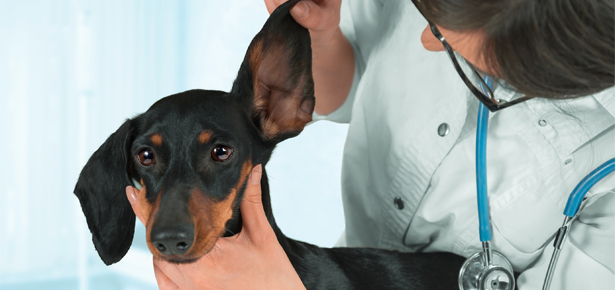
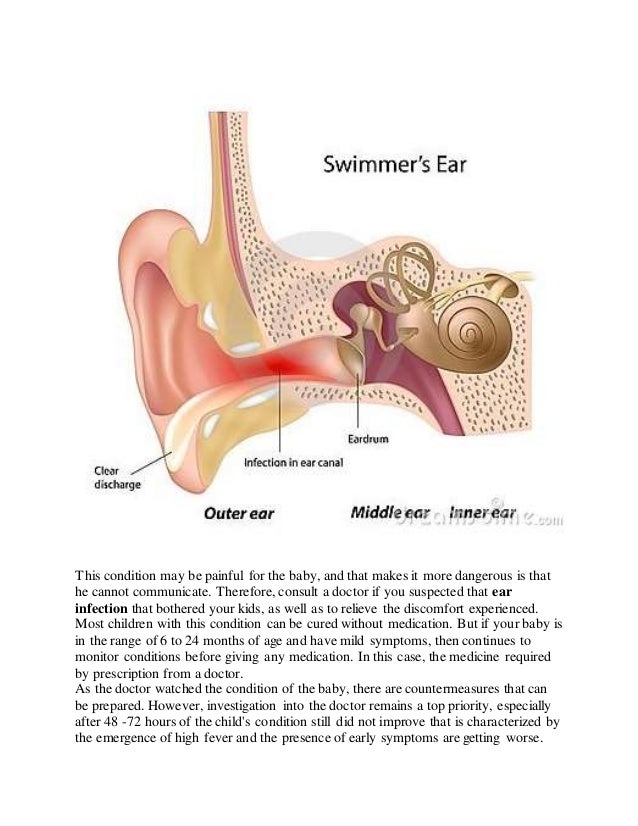
Once the ear environment becomes moist or inflamed, it is easy for bacteria or yeast to overgrow and cause infection. Dog ears come in all shapes and sizes, but they are unique in their anatomy when compared to human ears. Dogs have a long ear canal with both vertical and horizontal components. This creates a J or L shape that traps debris more easily, which in turn, can lead to dog ear infections.
How to Treat Dog Ear Infections Naturally
As loving dog owners we do not always want to go to the vet. The questions is, how to treat a dog ear infection at home. Never put anything in your dog's ear without veterinary instruction.
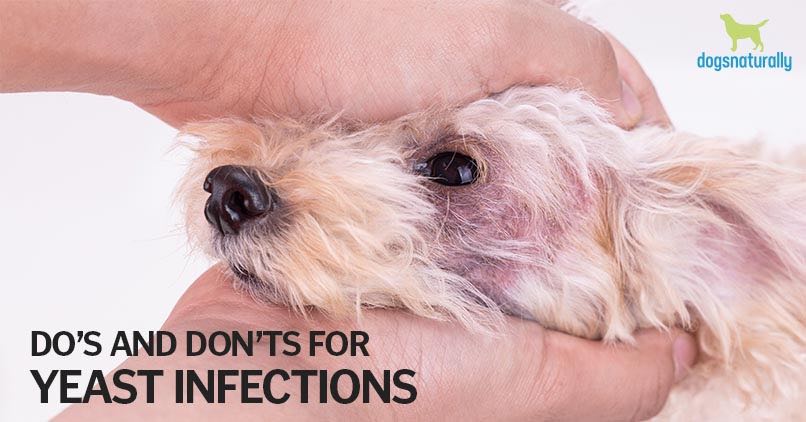
Allergies, including food allergies, can manifest as chronic ear infections. In addition to physical causes of ear infections, dogs can develop chronic ear infections due to a more systemic problem, too. There are a variety of reasons that dogs may get an ear infection. Since ear infections are prone to recurring, it’s especially important to determine why your dog is developing ear infections.
How To Treat Your Dog’s Ear Infection In 7 Easy Steps
Most will do phone consults so they don’t have to be local. If you see any of these serious symptoms, you need to see your vet. The internal ear is part of the vestibular system, which is responsible for controlling balance.

Yes, if your dog has floppy ears, there is a higher risk he will develop ear infections. In either case, moisture plays a role in the dog's ear infections. Most ear infections come with signs from your dog that something is wrong. You may not notice anything by the external ear, or it may be red, swelling, or have scabs. You can use it to treat ear infections caused by yeast or bacteria. If your dog stops getting recurring ear infections, allergies may have been the cause.
Causes of Ear Infections in Dogs
Just as we care for ourselves when we are sick, your dog also needs more care when they are not well. Be sure to give your canine patient plenty of love and pampering. Ear infections in dogs can be painful for them and worrisome for many owners. With the help of some medicine and an exam by a vet, they are back to their usual selves in no time.

Blood testing may be needed to check for endocrine disease as an underlying condition. This is best done in the early stages of infection and isn’t quite as effective as some of the later steps. And know when you’ll absolutely have to take them to to the vet, then read on and we’ll help you and your pooch out the best we can.
Pet CBD Near Me – Finding Quality CBD for Dogs, Cats & Horses
In more severe cases, the vet may prescribe anti-inflammatory medications or oral antibiotics for your pet. A dog will also be sedated, if their canal is too “dirty” for the vet to conduct a thorough examination. He tympanic membrane, or ear drum, can become grey and inflamed. Identifying nervous system damage can be done by observing if your dog is unable to blink, chew, or move their facial muscles in any way.
Place 3-5 drops into the infected ear and massage into the canal. Taking care of our furry, tail-wagging friends is a huge responsibility. Sometimes it requires more dedication than normal and a trip to the veterinarian.
They will touch the ear to observe the level of pain that the canine is dealing with. Vets usually use an otoscope, a device with a light source and magnification. This helps the vet see deeper into the ear canal to identify any built-up impacted wax, foreign objects, ear mites, eardrum or canal damage, and more. They use a soft tipped swab stick to conduct a microscopic examination called a cytology, or cell study.
Prompt and proactive treatment will ensure your dog’s comfort and happiness. We hope this gave you a good overview on how to treat a dog ear infection at home. If you have any further questions, please do not be shy and contact us or comment below. If so, you’ll ideally provide when the infections occurred and how they were treated.


No comments:
Post a Comment